
LIVER AND GALL BLADDER
BODY FUNCTIONS
Function and structure
The liver is the largest and most important metabolic organ of the human body and thus plays a central role. Through the portal vein, substances that have been absorbed into the bloodstream from the intestines enter the liver cells. Depending on the body’s requirements, they are immediately used, stored, converted or broken down. In its cells, the liver stores sugar, fat and protein components (amino acids) and vitamins that are not needed immediately. Sugar is stored in the liver in the form of glycogen and is released into the blood as glucose when the blood glucose level decreases. In addition, the liver cells can convert sugar into fat and proteins into sugar.
The liver produces many important proteins from the protein blocks. It also creates proteins for the transport of fats or hormones in the blood. A large proportion of the body’s cholesterol is produced by the liver and used to form bile. Every day the liver produces 800 – 1000 ml bile, whose function is to render fats in food digestible.
The liver is also the most important “detoxification organ”. Toxic substances are regularly produced in the metabolism; the liver transforms them into harmless substances, for example toxic ammonia to non-toxic urea. The liver also processes alcohol: it can break down about 1 gramme of alcohol for every 10 kilogrammes of body weight per hour. The enzyme alcohol dehydrogenase first converts the alcohol into a toxic intermediate stage before a second liver enzyme, acetaldehyde dehydrogenase, converts it to acetic acid and then through the citric acid cycle to water and carbon dioxide. The result is that alcohol is converted by the liver into fat; in this way excessive alcohol consumption increases the fat content of the body (giving the beer belly for instance).
Main roles of the liver
The creation of:
- Glucose from for example, glycerine, lactate/pyruvate and certain amino acids
- Ketone bodies synthesis
- Cholesterol and the attendant bile acids
- Proteins in the blood (albumin, coagulation factors, acute-phase proteins)
Storage:
- Glucose in the form of glycogen
- Fat
- Vitamins
The production of bile.
The break down and detoxification of:
- Damaged and old red blood cells
- Bilirubin (metabolite of haemoglobin)
- The conversion of ammonia to urea
- Steroid hormones
- Alcohol
- Medications
Blood formation in the foetus until the seventh month of pregnancy.
The liver produces bile, the body’s most important means of transporting cell-depleting toxins and waste. Bile is a yellow viscous body fluid composed of bile acids, bilirubin, water and cholesterol. It is produced in the liver, stored in the gall bladder and distributed in the small intestine (duodenum) during eating. Its purpose is to digest fat which is emulsified through conversion into droplets which can then be processed by small, fat-splitting enzymes (lipases). Another important task of bile is the elimination of substances from the body such as cholesterol, bilirubin as well as many medications and their metabolic by-products.
ILLNESSES
If the production of bile secretion is disturbed, symptoms such as jaundice, bile colic, fat intolerance, fever and inflammatory pain in the right upper abdomen can occur. Only when there is a healthy supply of bile, can the body be in good condition and at its most efficient. Thick and lumpy bile fluid, as well as solid gallstones are not only stored in the gall bladder and trigDger inflammation or cramp pains, but they also accumulate in the liver. These deposits impair liver activity.
Today, complaints of unpleasant and painful digestive problems are becoming more and more common, especially after consuming meals with a high fat content, from symptoms of bloating, flatulence, nausea, constipation or diarrhoea to spasmodic pains. The common medical term is “dyspeptic complaints” where food feels like a “stone” in the stomach.
CONVENTIONAL MEDICINE
The range of conventional chemical drugs is very limited here. They either prevent the formation of gallstones or help to break them down. Enzymes promote the digestion of fat where there is too little bile juice or where the gall bladder is absent. They are often combined with phytotherapeutic active ingredients.
COMPLEMENTARY MEDICINE
With medicinal plants, there is a wide choice of possibilities, for example those that protect the liver (lady thistle) to those that promote bile production: the artichoke; the dandelion, vermouth, yarrow, celandine and fumitory.
RECOMMENDED MEDICATION
Hepasin – phytotherapeutic liver bile drops
Hepasin combines five phytotherapeutic tinctures that have healing properties particularly beneficial for the liver and gall bladder. It has a positive effect on both organs and can also be used prophylactically to protect the liver.
1 ml contains
| Silybum marianum MT | 0.4 ml |
| Cynara scolymus MT | 0.2 ml |
| Artemisia absinthium MT | 0.2 ml |
| Chelidonium majus D1 | 0.1 ml |
| Fumaria officinalis MT | 0.1 ml |
Used as a prophylaxis together with the bitter products of absinthiums, the preparation stimulates the secretion of the gastric glands through the mucous membranes in the mouth. Wormwood is used against loss of appetite and digestive problems with mild cramps in the gastrointestinal area. The choleretic effect of cynarin in cynara scolymus together with the demonstrable regulation of the bile flow by fumaria also help to promote an optimal absorption of nutrients. A so-called “amphi-choleretic” or “amphoteric” effect is often quoted in literature: Fumaria officinalis can promote both the flow of bile, and also reduce a pathologically-increased bile flow.
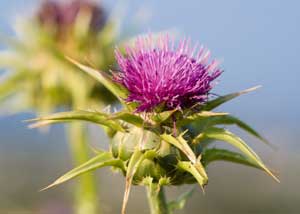
Silybum marianum
Silybum marianus has both a protective and curative effect on the liver protection thus reducing the damaging influences of poisons on the liver. Silymarins create structural changes in the outer cell membranes, which has the effect of protecting the liver. Additionally, silymarins have radical scavenger properties and stimulate liver cell regeneration. Silymarins block different binding or transport proteins acting on the liver cell membrane and hinder the absorption of toxic substances (tuber agaric poisoning).
Hepatic glutathione is increased in the liver and the biosynthesis of ribosomal RNA is stimulated by the promotion of DNA-dependent RNA polymerase I of the liver cells. This stimulates the protein synthesis.
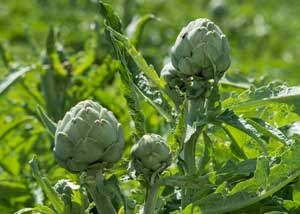
Cynara scolymus
The choleretic effect of the cynarins in cynara scolymus and the verifiable regulation of the bile flow by fumaria also promote an optimal digestion of food matter. In specialist literature, as we have seen above, the often quoted and so-called “amphi-choleretc” or “amphoteric” effect can promote the flow of bile while at the same time reducing the pathologically increased flow. The artichoke is used in modern medicine not only as a medicinal plant for stimulating the production of bile, but also for encouraging the digestive function of the liver-bile system through its protective properties. Short-term relief is offered to acute, digestive problems and in the longer term, the sound functioning of the liver with an effectual production of bile helps to provide a healthy balance of blood and fats. The use of the artichoke reduces the total cholesterol absorption by up to 12 percent.
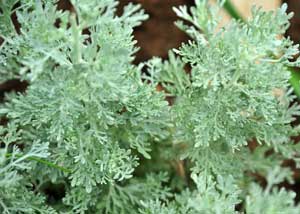
Artemisia absinthium
Acting as a prophylaxis together with the bitter substances of the absinthiums, the preparation stimulates the secretion of the gastric glands through the mucous membranes in the mouth. Wormwood is used for anorexia and digestive problems with mild cramps in the gastrointestinal area.
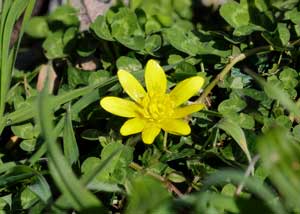
Chelidonium majus
Chelidonium has an analgesic and spasmolytic effect and promotes a sense of well-being. The celandine herb is used as a D1 dilution owing to its high alkaloid content.
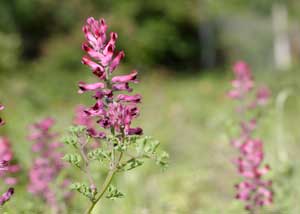
Fumaria officinalis
In the literature, a so-called “amphicholeretische” or “amphoterische” efficacy is often cited whereby this medicinal plant can promote both the bile flow and reduce a pathologically increased bile movement.
Indications
Liver and bile disorders, malfunctions of the gall bladder and as a result digestive problems (dyspepsia) that manifest themselves in feelings of bloating and nausea, flatulence, a cramp-like abdominal discomfort or inadequate digestion of fat. It can also help with fasting or dieting.
Dosage
30 drops 2-3 times daily.
Contraindications
Owing to the presence of the component chelidonium majus (celandine), this medicine should not be used during pregnancy and lactation. Where there is existing liver disease or has been in the patient’s medical history, this drug should be taken in conjunction with other liver-damaging substances in the event of closure of the bile ducts, gall bladder empyema, ileus and gallstones, only after consultation with the patient’s physician or pharmacist. Where there is insufficient documentation on the subject, this medicinal product should not be taken by children under 12 years of age.
Side effects
In individual cases during treatment with celandine preparations, an increase of liver transaminases and bilirubin, even jaundice (toxic hepatitis) from the taking of medication have been observed, though these regress after use of the drug in question is discontinued. When under medication, existing symptoms may initially be aggravated. In such cases, the patient should cease taking the medicine and consult a medical doctor. If there are side effects not listed here, patients should inform their general practitioner or pharmacist.
The alcoholic extracts of wormwood may contain relatively high amounts of thujone. This can cause nausea, vomiting, abdominal pain and in severe cases kidney damage and disturbances of the central nervous system.