
THE PROSTATA GLAND
BODY FUNCTIONS
The prostate, also known as the prostatic gland, is approximately four centimetre-wide and walnut-shaped. It sits directly below the bladder and encloses (like a ring) the urethra which directs the urine from the bladder through the prostate and the penis to the glans. Directly behind it is the rectum.
In a 20 year old man, the prostate weighs about 20 grammes. Its weight increases over the course of life and can be over 100 grammes. Together with the testicles, the prostate gland is part of the male reproductive organs.
The main function of the prostate is to produce the part of semen that transports sperm. This liquid is important for the mobility of the sperm and thus the ability to fertilise. Another part is produced in the two sperm bubbles that lie on the outside of the prostate gland. In ejaculation, the muscles of the prostate pull together and press the liquid through the various glands in the urethra. At the same time, the secretions produced by the semen bubbles and the sperm from the testicles are also brought into the urethra. Around the prostate, the urinary and spermatic pathways converge. The secretion of the prostate glands is a cloudy milky colour, a thin liquid in consistency and slightly acid. In addition to other substances, it contains enzymes. These are proteins which perform important tasks such as the acid prostate phosphatase and the PSA that the sperm, the semen, liquefied.
Another ingredient is spermine. This protects the DNA of the sperm and gives the sperm its characteristic odour.
The growth and function of the prostate are controlled by the male sex hormone testosterone, which is mainly formed in the testicles and to a lesser extent also in the adrenal glands. Without the stimulation of this hormone, the gland remains underdeveloped and does not produce any secretion.The prostatic gland is influenced by testosterone. Through its regulation, testosterone can be used to treat prostate cancer.
In the prostate gland, a substance called PSA, or prostate-specific antigen, is formed in addition to the seed liquid. It is detectable not only in the semen, but also in the blood. PSA plays the key role in the early detection of prostate cancer, as the PSA blood value is often increased in prostate cancer.
ILLNESSES
Diseases
Prostatitis is an inflammation of the prostate. Benign prostatic hyperplasia (BPH) is an enlargement of the prostate gland, which often leads to an urinary drainage disorder. Prostate cancer is a malignant tumour of the prostate. It is the most common form of malignant tumour and, after lung and colorectal cancer, the third most common cause of cancer deaths in men in Switzerland. While BPH usually affects the central (paraurethral) area of the organ, prostate cancer usually originates from the peripheral parts of the gland. Both diseases are typically found in older men.
Prostate hyperplasia is the most commonly diagnosed urological disease in male patients. One in two men are affected between the ages of 50 to 60.
Symptoms of benign prostatic hyperplasia
Enlargement of the prostate is particularly evident from the following symptoms:
- A weak urine flow to urinary retention
- Interrupted flow when urinating
- Delay in urinating
- Urgency to urinate
- Urinary frequency but only in small quantities
- Urinary frequency at night
- Dribbling when urinating
- The sensation that residual urine remains
- Pain or discomfort when urinating
- Impotence
Anyone who experiences one or more of these symptoms should seek the advice of an urologist as soon as possible.
CONVENTIONAL MEDICINE
In principle, a healthy lifestyle is best way to avoid disease. For those with weight problems, slimming and taking measures to avoid putting on weight in the first place, help prevent the likelihood of prostate problems arising. A good diet and plenty of exercise are always to be recommended.
Before taking BPH medication, sufferers can help themselves by making changes in their lives:
- Drink less in the evening
- Avoid caffeine and alcohol
- Take up pelvic floor training
- Learn special techniques for urinating
If there is no general discomfort, regular check-ups with a physician should suffice. Where the disease has progressed to stage I or, in milder cases stage II, the patient should be given conventional medications.
- Alpha blockers are synthetically produced medications that allow the prostate and urethral muscles to relax, promoting a less restricted urine flow. This group of active substances includes, for example, tamsulosin, doxazosin and alfuzosin.
- Dutasteride and finasteride are ingredients which belong to the S chemical 5-alpha reductase inhibitors. Since patients who are prescribed alpha blockers are more likely to experience sexual potency problems and a lack of pleasure, PDE inhibitors such as tadalafil are preferred today.
COMPLEMENTARY MEDICINE
Less serious problems can be tackled by a variety of herbal medications that have the advantage of having no negative effects.
The most commonly used herbal remedies include: nettle root; pumpkin seeds; rye; African plum or saw palmetto.
They prevent the formation of growth factors, the 5-alpha reductase – that is the enzyme that converts testosterone into DHT – or lets the cells die off faster. They also block the production of the male sex hormone.
All medications used to treat benign prostate enlargement slow the progression of the disease, sometimes even shrinking the gland.
There are different surgical procedures for the elimination of benign prostate enlargement. Which one is used will depend ultimately on the individual patient. By default, transurethral resection of the prostate (TURP) is undertaken.
RECOMMENDED MEDICATION
ProstaVit – prostate drops
ProstaVit is a mixture of 4 herbal mother tinctures produced by the company Herbamed, which complement each other perfectly. The preparation has good results in the early treatment of benign prostate enlargement and urinary discomfort.
ProstaVit has the following composition:
1 ml contains
| Serenoa repens MT | 0.5 ml |
| Chimaphila umbellata MT | 0.2 ml |
| Echinacea purpurea MT | 0.2 ml |
| Chamomilla recutica MT | 0.15 ml |
| Populus tremuloides MT | 0.10 ml |
The individual components have the following effect:
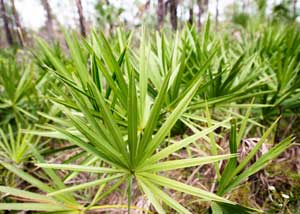
Serenoa repens
Application:
- In micturition of benign prostatic hyperplasia (stage 1 – 2).
- As antiproliferative (proliferative inhibitory) agents.
- As antiandrogens (inhibiting the male sex hormones).
- As a vessel permeability inhibitor.
- Beta-sitosterol has an estrogenic hormone effect and inhibits prostaglandin synthesis.
Chimaphila umbellata
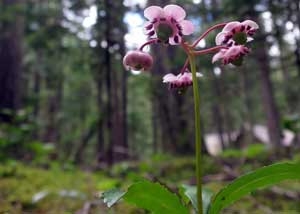
- Is used in chronic inflammation of the lower urinary tract and the prostatic gland.
- It is also prescribed for chronic bladder and kidney basin catarrh where there is a suppurating sediment and foul-smelling urine.
Echinacea purpurea
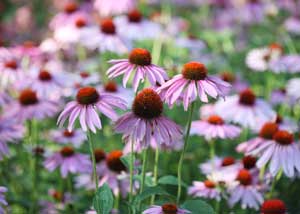
Stimulates the body’s immune system and can prevent or cure inflammation arising from the bladder not being fully-emptied
Populus tremuloides
Applications:
- Acts against acute and chronic bladder inflammation and inflammation of the urethra.
- Also, against prostate hyperplasia with chronic inflammation and cramp pains behind the pubic bone after the urinating.

Indication
Early treatment of prostate enlargement, micturition, irritable bladder.
Dosage
Take 30 drops in little water twice a day.
Contraindications and limitations
There are no known contraindications.